Ultimate Guide To Best Place To Go Skiing In Japan
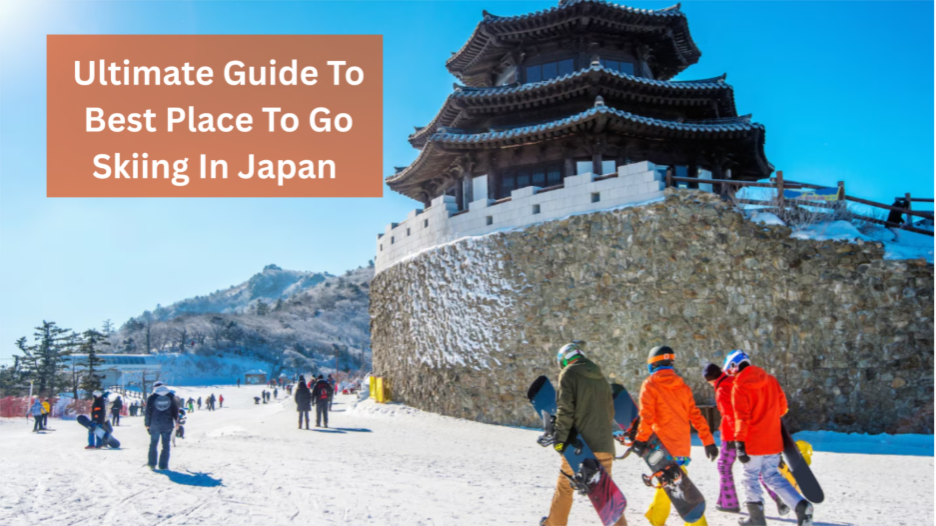
When planning a skiing trip in Japan, the whole process can become very complicated since all resorts promote deep snow, efficient lifts, and picturesque terrain. When comparing destinations, it can be difficult to determine which one truly suits you because snow reliability, terrain variety, and accessibility vary from resort to resort.
In addition, choosing the wrong base area may result in lengthy relocations, heavy traffic, and restricted terrain that does not match your needs. However, when you know how the best ski resorts in Japan vary in terms of snow, layout, and daily convenience, the choice becomes a lot easier.
This article discusses the most practical ski destinations so that you can make a wise decision and spend as much time as possible on the mountain.
1. Niseko United Terrain Advantage
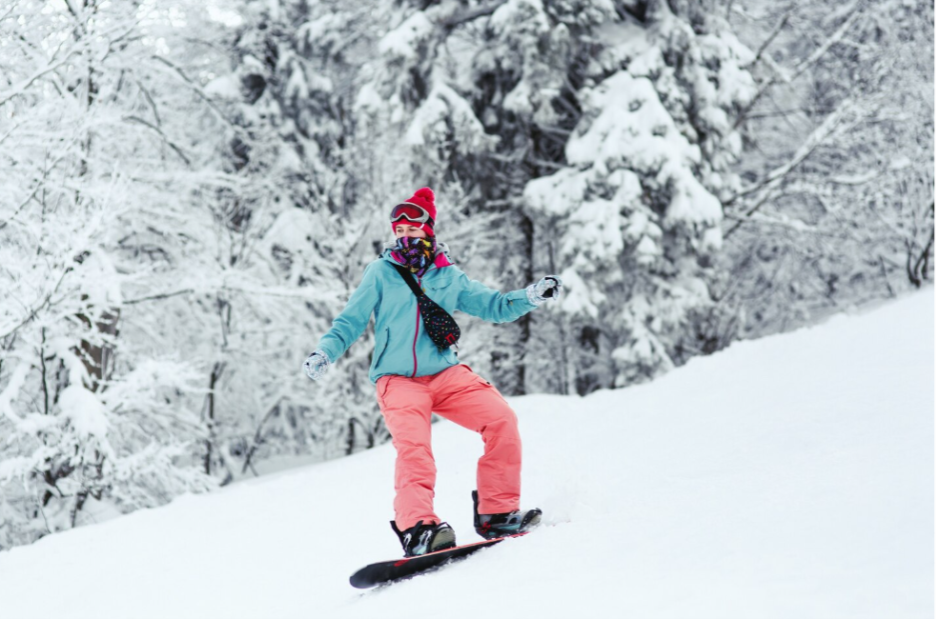
When you are looking to visit the best place to go in skiing in Japan, Niseko United is highly recommended due to its connectivity, consistent snowfall, and high-quality lift system. The resort is located in Hokkaido, which gets consistent light snowfall that keeps the slopes fresh throughout the season.
Groomed runs help beginners build confidence and maintain steady progress, whereas the long intermediate courses allow stability and control over extended descents. Gated access zones provide challenging, advanced terrain that can be reached easily without requiring a long hike.
Lifts connect multiple peaks, reducing the time needed to move between areas, while night skiing extends your slope hours, and clear signage makes it easy to navigate the entire mountain.
2. Rusutsu Powder Tree Zones
Rusutsu has been known to receive heavy snowfall. It is also characterized by widely spaced tree cover, which naturally conserves snow long after storms. Due to this layout, there is always availability of fresh lines even during peak seasons.
Lift placement ensures skiers are spread across various peaks, so no one peak is too congested, and you can continue skiing without long waits. The purpose of long groomed trails is to practice smooth turns; therefore, intermediate skiers can develop their skills while off-piste riders enjoy deeper snow.
Despite this, the resort offers the advantage of direct lift access, allowing for early starts and more time skiing without delays from transportation.
3. Hakuba Alpine Steep Routes
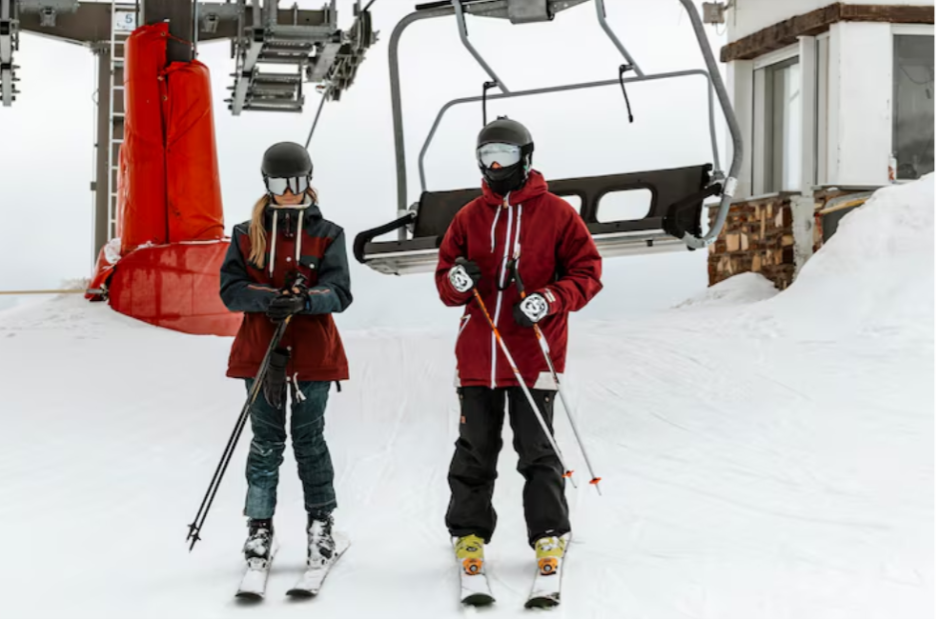
Hakuba Valley in Nagano is a place that appeals to the advanced skiers due to steep faces and long vertical descents. Several courses were originally designed for international competitions, so the slope angles require high control and technical consciousness.
In addition, the off-piste areas offer challenging snow conditions that reward skiers who can confidently choose their own routes. Various resorts are linked by one valley pass, and thus, you can move between different terrains without switching lodging.
However, the weather conditions are not as consistent as they are in Hokkaido, which influences powder frequency. As such, Hakuba is better suited to skiers who value steep slopes, long continuous downhills, and technical advancement rather than fresh snow throughout the day.
4. Furano Consistent Snow Quality
Furano provides more reliable dry snow and fewer crowds, which allows skiers to maintain a smoother and more consistent rhythm throughout the day. The mountain design is such that the beginner and advanced areas are distinct, enabling groups with different skill levels to follow similar schedules without having to regroup frequently.
Long fall-line groomed runs help skiers maintain control at higher speeds and improve their turning technique, especially for intermediate skiers. Lift queues remain shorter than at larger resorts, so you spend more time on the snow rather than waiting.
Navigation is also straightforward since the resort is compact and clearly marked. As a result, Furano provides efficient skiing conditions for travelers who value consistent snow, manageable terrain flow, and predictable daily planning.
5. Nozawa Onsen Traditional Terrain Mix
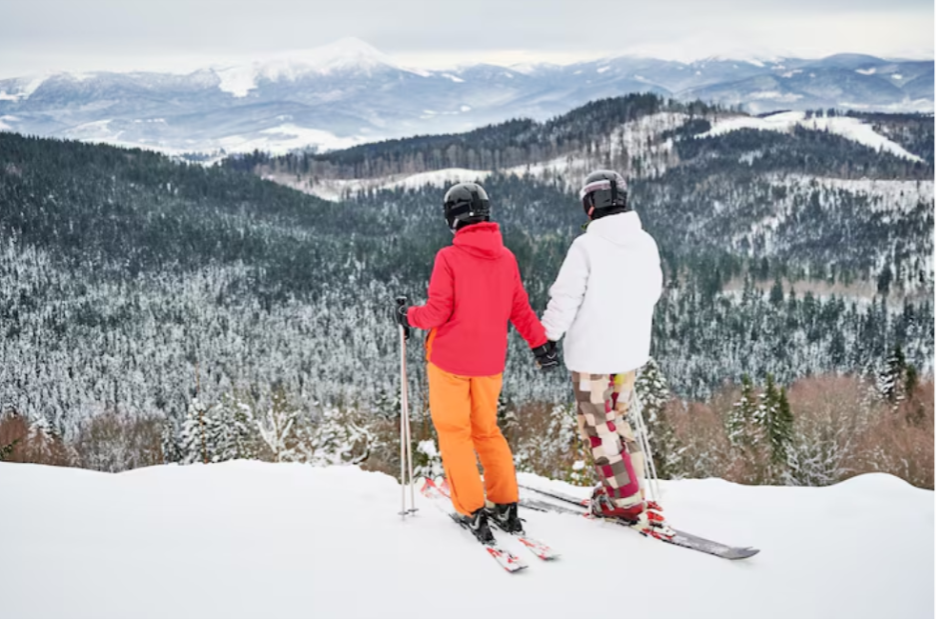
Nozawa Onsen combines good snowfall and one of the longest continuous skiing routes in Japan, which enables extended top-to-bottom skiing without breaks. The slopes are low-angled, which gives a wide learning area, whereas the steeper ungroomed terrain is challenging for advanced skiers.
Such vertical progression helps in the development of skills across multiple levels in a single trip. New lift upgrades have caused an increase in uphill capacity, which has reduced congestion, especially at peak hours.
In addition, the resort layout encourages gradual terrain transitions, which helps maintain confidence when moving to more technical runs. After skiing, natural hot springs support physical recovery and reduce fatigue for multi-day itineraries.
Therefore, Nozawa Onsen suits skiers who want sustained descents, structured progression, and reliable snow conditions in a single destination.
6. Myoko Kogen Deep Snowfall Access
Myoko Kogen is known for heavy snowfall that often exceeds several meters each season, creating consistent powder opportunities across multiple interconnected resorts. Tree runs, open bowls, and groomed trails provide varied terrain without the congestion seen in larger international destinations.
Because visitor numbers remain moderate, lift lines stay shorter, and lap frequency increases. Snow depth allows extended off-piste exploration when conditions permit, while marked trails support controlled progression for intermediates.
Accommodation options range from traditional lodges to modern hotels, which offer flexibility in travel planning. Consequently, Myoko Kogen is ideal for skiers who want deep snow, efficient lift access, and quieter slopes without sacrificing terrain variety.
Conclusion
Japan offers several strong ski destinations, yet the right choice depends on snow reliability, terrain difficulty, and daily convenience. Niseko United delivers the most balanced experience with consistent powder, interconnected lifts, and options for every skill level.
Rusutsu provides deep tree skiing, Hakuba focuses on steep technical runs, and Furano maintains efficient slope flow with dependable conditions. Nozawa Onsen supports long descents with recovery benefits, while Myoko Kogen offers heavy snowfall and fewer crowds.
By matching your destination with your ability and travel priorities, you reduce planning friction and increase time on snow. This practical approach ensures a smoother, more productive ski trip across Japan.